

Cangzhou Mengqi Hardware Products Co., Ltd. is one of the leading manufacturers and suppliers of brake pads in China. Please feel free to buy cheap brake pads made in China here from our factory. All customized products are with high quality and low price.
Core Working Principle: When you press the brake pedal, brake fluid pushes the caliper piston to compress the brake pads. The friction pads on both sides clamp the rotating brake disc, using friction to stop the wheel's rotation. Continuous friction during driving gradually wears down the friction layer, and when it wears down to its maximum thickness, it must be replaced immediately.
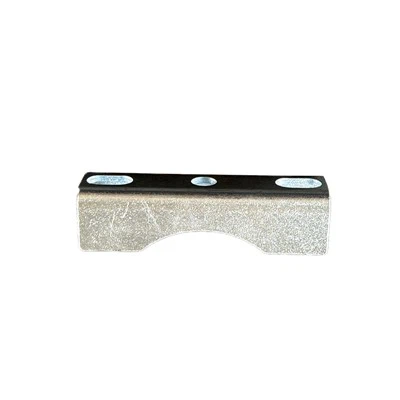
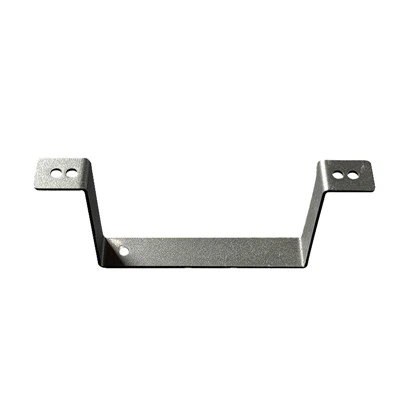
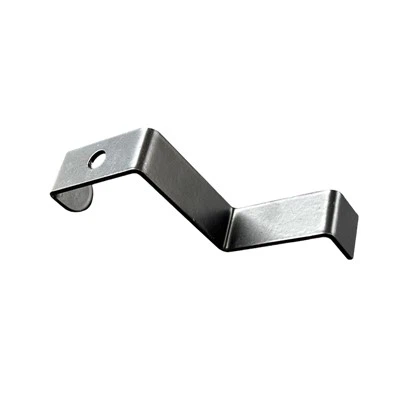
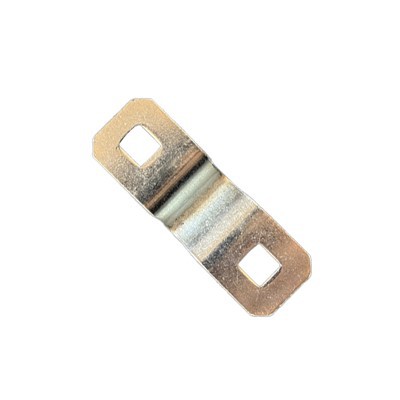
Many people overlook the small accessory mentioned earlier: the brake pad retainer.Most low-priced brake pads on the market only come with two friction pads and don't include the complete retainer set.After 3-5 years of use, the brake pads removed from the original vehicle will experience elastic fatigue, deformation, and corrosion. Continuing to reuse these old parts will almost certainly result in brake vibration and abnormal noise. Each pair of our brake pads comes standard with a complete set of hardware: retaining springs, damping and noise-dampening steel pads, guide pin lubricant, and dust covers, all individually galvanized for rust prevention. Many car owners wonder why their brake pads are still noisy after replacement; the root cause is simply that they forgot to replace the retaining springs, which cost a few cents, not a problem with the brake pads themselves.
Complete Structural Composition :
Friction Layer: Outer layer of wear-resistant friction material, in direct contact with the brake disc, the main wear-consuming component;
Steel Backing Plate: Metal base plate, supporting the friction layer, fixed to the caliper piston;
Damping and Noise-Damping Pads: Adhesive to the back of the steel backing plate, buffering vibration and eliminating brake noise;
Accessory Kit: Brake pad retaining springs, guide pin dust covers, noise-dampening springs, lubricant;
Wear Warning Pad: Metal sensing contact; when worn to a critical thickness, it will scrape the brake disc and emit a sharp warning sound. Regarding lifespan and replacement intervals, there's no need to memorize complicated parameters. Generally speaking, the standard is: semi-metallic brake pads should be replaced every 40,000-60,000 kilometers in normal city driving, while ceramic brake pads should be replaced every 60,000-80,000 kilometers. Replace brake pads immediately if you notice any of the following four signs: 1. A metallic scraping sound when lightly applying the brakes; 2. The brake pedal becomes soft, requiring deeper pressure for braking force; 3. Noticeable steering wheel vibration during high-speed braking; 4. Visually inspecting the inner brake pads, the friction material thickness is less than the thickness of a coin. Also, please remember that brake pads must be replaced in pairs, one on each side, not just one. Otherwise, the car will pull to one side during braking, making it extremely prone to skidding in rainy weather.
Replacement Criteria:
Remaining friction layer thickness ≤ 3mm: Mandatory replacement;
Frequent abnormal brake noise, soft braking, significantly longer braking distance;
Brake pad warning light continuously rubbing against the disc surface, emitting a harsh metallic friction sound;
Cracks, chipping, peeling, or uneven wear of the friction layer.
Friendly Reminders:
1,new brake pads must be broken in after installation. Avoid sudden braking for the first 300 kilometers. Reduce speed gradually at 60km/h by lightly applying the brakes to allow the friction pads and brake disc to fully adhere;
2,when replacing, clean any rust from inside the caliper and apply a special high-temperature resistant grease. Do not use ordinary grease, as it will melt and become ineffective at high temperatures;
3, any deformation of the brake retainer, no matter how slight, must be replaced immediately. Do not straighten and reuse.
Hot Tags: brake pads, China brake pads manufacturers, suppliers, factory, Brake Pad Anti Rattle Clip, Metal Stamping Car Parts, Pad Retaining Clip, precision metal stamping, Stamped Aluminum Parts, Stamped Sheet Metal