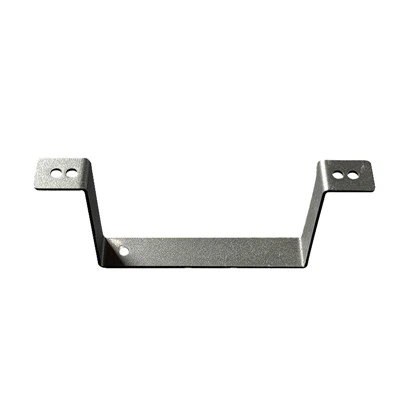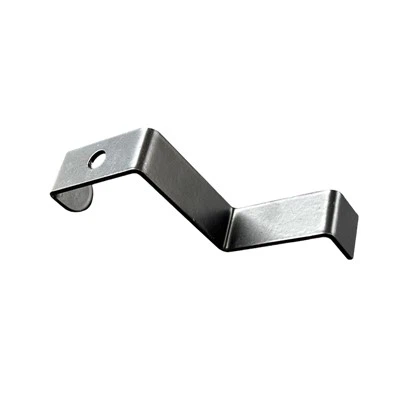

In highly automated modern factories, a steel plate is fed into a press, and in just one second, a precisely defined automotive component is declared formed. This is exactly the metal stamping process, a manufacturing technology that forms metal sheets in molds by applying pressure, which is most intuitively reflected on the production line. It is driving large-scale manufacturing from automobiles, home appliances to electronic devices with astonishing efficiency, extremely high precision, and excellent consistency.
The perfect balance between efficiency and accuracy.
Efficiency is life "is vividly reflected in the field of stamping. With the precise impact of the mold, metal stamping has achieved production speeds far beyond traditional machining. By adopting advanced progressive die technology, multiple processes can be completed in a single stroke, achieving efficient output of "one part per second". Advanced servo presses have increased the stamping cycle to hundreds of times per minute, providing core power for large-scale manufacturing.
Accompanying high efficiency is strict control over precision. The size and shape of the parts are guaranteed by high-precision molds, and the industry standard dimensional tolerance can be controlled within ± 0.05 millimeters. With technological advancements, this standard is constantly being refreshed. In the processing of precision components such as battery trays for new energy vehicles and shielding covers for 5G equipment, micrometer level precision control has become a basic requirement.
Economies of scale and flexible breakthroughs
The significant feature of stamping technology is the high cost of molds. A complex set of molds can cost tens of thousands or even millions of yuan in design and processing, and have a long manufacturing cycle. This determines that the process has significant economies of scale, typically requiring a production batch of over 10000 pieces to effectively share costs and demonstrate its cost advantage per piece.
However, the growing demand for small batches and customization in the market is driving the industry to undergo flexible transformation. By combining mold design and adopting low-cost tooling standards, the enterprise has successfully explored a new model for developing small batch stamping parts. The servo press combined with a fast mold changing system can compress the traditional several hour mold switching time to less than 15 minutes, providing the possibility for flexible production of multiple varieties and small batches.
The Future Path of Automation and Intelligence
Currently, metal stamping is deeply integrated with automation and intelligence. The fully automatic high-speed stamping production line integrates servo hydraulic presses, robotic arms, and unwinding leveling lines, achieving low noise and energy saving while improving efficiency. The visual inspection system equipped on the intelligent stamping line can recognize size deviations and surface defects in real time, with a detection accuracy of 0.01 millimeters, significantly reducing the rate of defective products. The automation solutions developed by some leading enterprises have achieved unmanned operations throughout the entire process from stamping to palletizing.
Continuous innovation in craftsmanship and materials
The progress of technology cannot be separated from the innovation of materials. The steel technology for hot stamping forming was once monopolized by foreign countries for a long time, but now domestic enterprises have achieved breakthroughs and overcome the full chain industrialization system technology. In response to the difficulty in forming lightweight materials such as magnesium alloys and high-strength aluminum alloys, research institutions have successfully achieved efficient manufacturing of complex parts through a combination of material pretreatment and warm stamping forming processes, which have been applied in fields such as consumer electronics.
From high-speed beats of one piece per second, to precision control at the micrometer level, from economies of scale starting at tens of thousands of pieces, to increasingly flexible production, metal stamping processes are constantly seeking the best balance between efficiency and cost, scale and customization. With the continuous integration of new materials, new processes, automation, and digitization, this traditional manufacturing technology is constantly breaking through boundaries, continuing to solidify its position as the core pillar of modern manufacturing with higher efficiency, better quality, and stronger adaptability, providing inexhaustible power for industrial upgrading.