
In outdoor, industrial, municipal, security, communication, and photovoltaic energy storage scenarios, power supply equipment is constantly exposed to harsh environments such as rain, humidity, dust, oil, corrosion, and extreme temperatures. Waterproof power supply enclosures have emerged to address these challenges; however, the appropriate selection of such enclosures directly determines the equipment's stability, lifespan, maintenance costs, and even the overall safety of the project.
The environment is the primary factor in selecting a waterproof power supply enclosure. Discussing protection without considering the environment is meaningless. Before making a selection, the following six key operating conditions must be clearly defined.
First, consider whether it will be used indoors or outdoors. Indoor environments mainly include factory workshops, basements, computer rooms, and equipment cabinets. The main requirements are dustproof, splashproof, and oil-proof. Generally, IP54–IP65 is sufficient. Outdoor environments include open spaces, streetlight poles, rooftops, outdoor enclosures, and field base stations. It is necessary to consider heavy rain, sun exposure, frost, and snow accumulation. It is recommended to start with at least IP65, and for high-frequency applications, IP66/IP67 should be selected.
Second, consider whether the device will be exposed to water for extended periods. For protection against dripping and condensation only, choose IP44; for protection against spraying water from any angle, choose IP65; for protection against large waves and high-pressure water jets, choose IP66; for protection against short-term immersion, choose IP67; and for long-term underwater or deep water environments, choose IP68.
Third, consider climatic conditions. In areas with high temperatures and intense sunlight, the Waterproof Power Supply Enclosure needs to be made of UV-resistant materials and have a reinforced heat dissipation structure. In cold regions, it needs to be resistant to low temperatures without cracking or becoming brittle. In areas with high humidity, coastal salt spray, and acid rain, the corrosion resistance needs to be enhanced. For areas with large diurnal temperature variations, condensation issues need to be considered, and a structure with a vent valve can be selected.
Fourth, when used in corrosive environments, a corrosion-resistant coating or stainless steel material is required. 304/316 stainless steel or high-corrosion-resistant alloys should be selected to extend service life.
Fifth, for mechanical shock and vibration scenarios, a robust and impact-resistant structure is necessary, requiring anti-collision and anti-smashing protection, and thickened plates.
Sixth, for explosion-proof requirements, explosion-proof certification is required for some special scenarios. Ordinary waterproof power supply enclosures are not sufficient; a dedicated explosion-proof and waterproof integrated enclosure must be selected.

Material is the second most crucial factor in selecting a Waterproof Power Supply Enclosure, directly impacting strength, weight, thermal conductivity, corrosion resistance, price, and lifespan. Aluminum alloy is the most common material on the market, offering advantages such as excellent heat dissipation, high strength, moderate weight, ease of processing, rapid thermal conductivity, suitability for high-power power supplies, deformation resistance, and grounding capabilities. Surface treatments include powder coating, anodizing, and electrophoresis. It is suitable for industrial power supplies, LED drivers, communication power supplies, and high-power outdoor equipment; our company recommends outdoor use.
Even with the same IP rating, different structures can result in vastly different waterproof reliability. When selecting a Waterproof Power Supply Enclosure, the following structural design considerations must be taken into account:
Sealing strip material: Ordinary rubber is prone to aging, hardening, and cracking; silicone is heat-resistant and suitable for high-temperature environments; fluororubber is acid and alkali resistant, corrosion resistant, and specifically designed for chemical applications.
Lock and hinge design: Plastic clips are low-cost but prone to aging and breakage; stainless steel hinges + metal locks offer high strength and high reliability, and are standard in industrial applications.
The dimensions of a waterproof power supply enclosure must be determined comprehensively based on the power module size, wiring space, heat dissipation margin, and expansion needs. The internal space allocation principle is: the power supply body should occupy ≤60% of the internal space, with ≥20% reserved for wiring and ≥15% for heat dissipation. If terminals, surge protectors, or filters are required, the size needs to be increased. Common sizes for small surveillance power supplies are 100–200mm, medium-sized communication power supplies are 200–400mm, and large industrial power supplies are 400–800mm or larger, or custom sizes are required. When selecting a model, the number and diameter of the cable entry holes, the cable exit method, the location of the heat dissipation holes, and the mounting hole positions must be confirmed. Improperly designed openings will directly compromise the waterproof performance.
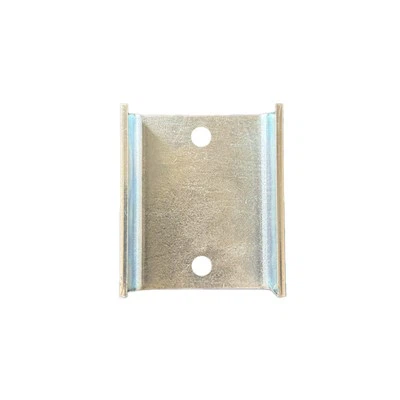
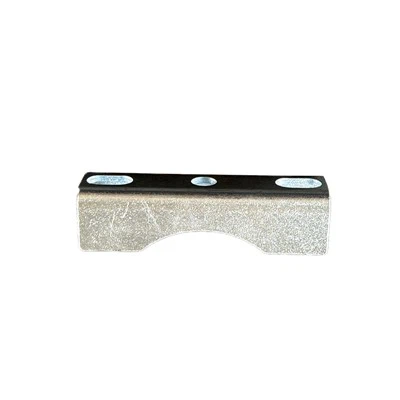
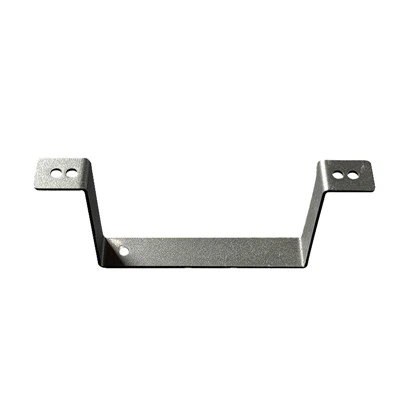
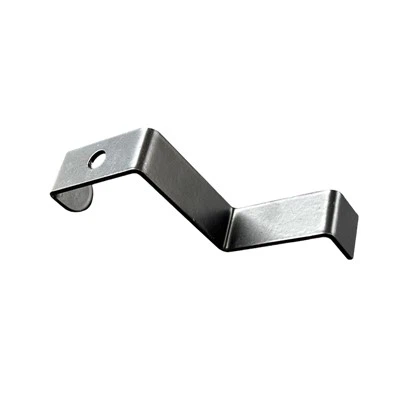
Choose the mounting method for your Waterproof Power Supply Enclosure based on the installation scenario. Wall-mounted enclosures are suitable for walls, poles, and the outside of cabinets, and are suitable for most outdoor power supplies. They typically have mounting feet or holes on the back. Rail-mounted enclosures are installed inside industrial control cabinets and are suitable for modular power supplies. Embedded enclosures are commonly used in large power systems and energy storage systems, serving as a ground-based mounting base.