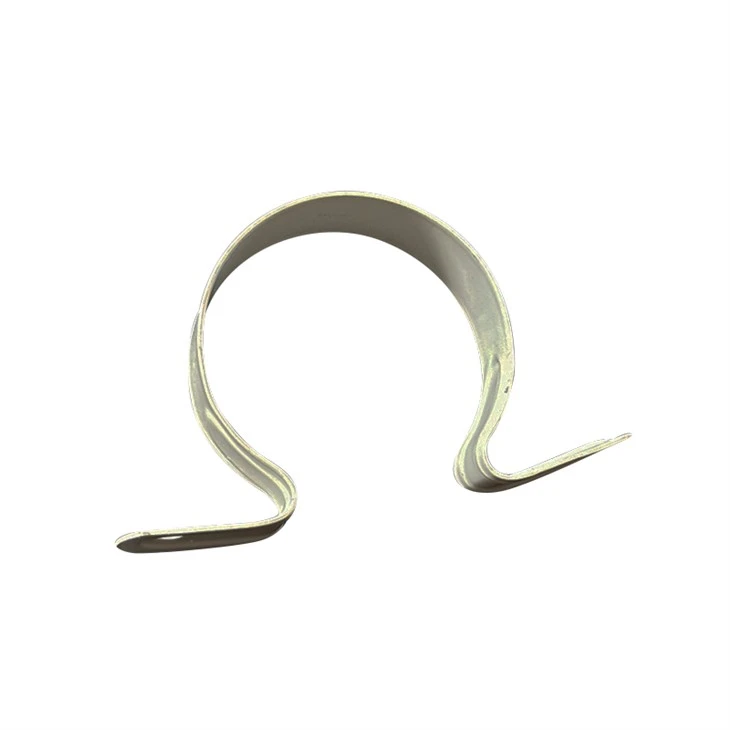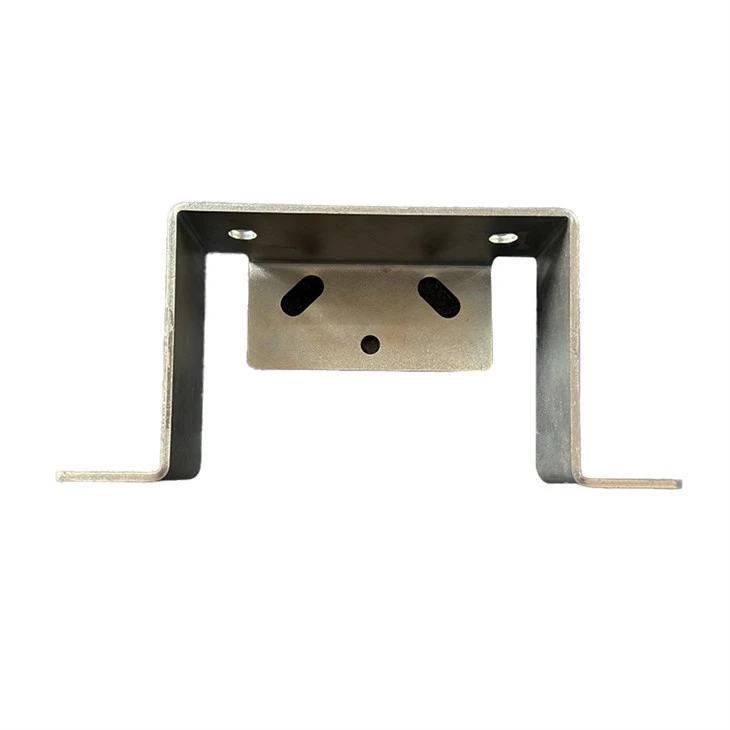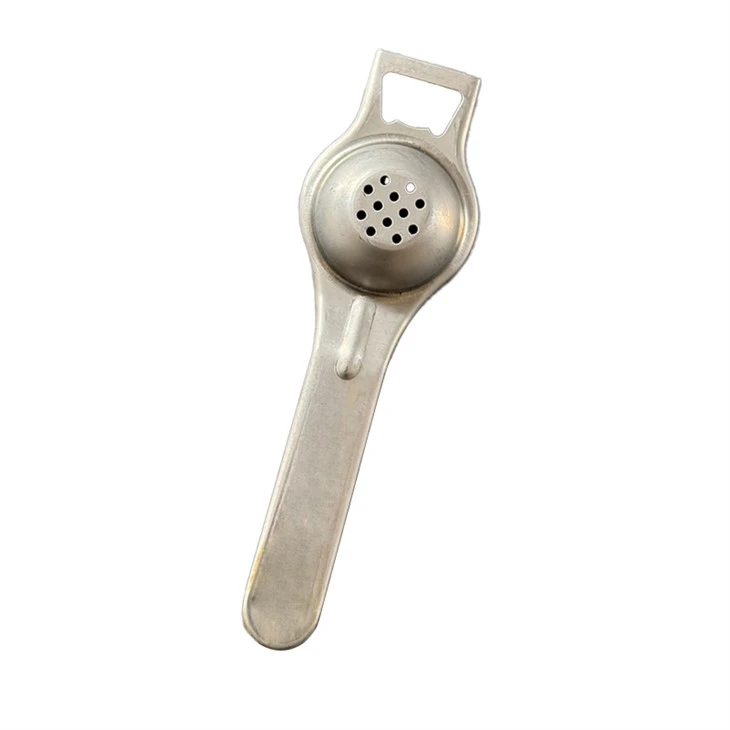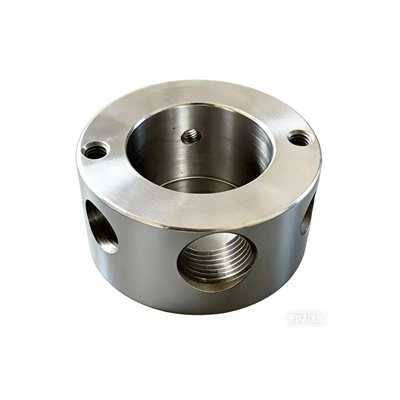

Simply put, deep drawing utilizes the plasticity of sheet metal, stretching and shaping it in one go through a mold to directly create a seamless, one-piece hollow casing from a flat metal blank. The entire process involves no splicing or welding; it relies on cold stamping to allow the metal to deform naturally. This seemingly simple processing logic allows for a significant improvement in the quality of the finished product compared to ordinary casings. For this reason, it is widely used in industries with stringent requirements for casings, such as new energy, precision instruments, medical equipment, and outdoor security.
The most common problems with equipment casings lie in the weld seams and splicing gaps. Traditional bent and welded shells, no matter how refined the process, cannot completely eliminate seam marks. This not only results in an unsightly appearance but also, over time, leads to dust accumulation, water seepage, and even rust and structural loosening at the seams. This is especially problematic for outdoor equipment, energy storage batteries, and precision sensors; even a small amount of moisture or dust can affect overall performance and shorten lifespan.
The biggest advantage of deep-drawn shells is their seamless structure. The entire process is done in one piece, without any seams or welds, naturally providing excellent waterproof and dustproof capabilities, easily meeting high protection levels such as IP65 and IP67. No additional glue application or grinding is needed, reducing subsequent processing steps and eliminating the risk of leakage and delamination at the source.
In terms of structural strength, it also performs exceptionally well. Cold drawing of metal produces a work-hardening effect, significantly improving overall rigidity and impact resistance. Furthermore, the uniform shell wall thickness ensures more even stress distribution, unlike welded shells where weld seams are always the weakest points. Even with thin sheet metal, the deep-drawn shells are robust enough to withstand pressure and deformation, making them suitable for various demanding applications.
Beyond practicality, their appearance is also outstanding. There are no imperfections from weld seams or grinding; the shell surface is smooth and even. Whether it's the original brushed metal finish, sandblasting, or subsequent painting or electroplating, the finished product is uniform and refined, with an overall quality far superior to conventional welded shells. For equipment that values aesthetics and a high-end image, this refined appearance directly elevates the product's overall grade.
Of course, deep-drawn shells aren't a panacea. They require custom-made molds, resulting in higher initial investment than conventional processes, making them more suitable for medium to large-volume production. For small-batch customization or complex, irregularly shaped shells, the cost-effectiveness is slightly lower. However, for regular square, round, or curved cavity shells, their mass production advantages become fully apparent. Once the mold is finalized, the single-piece forming speed is extremely fast, product dimensions are highly uniform, yield rates are stable, and the overall cost of mass production is actually lower.
Currently, mainstream materials such as stainless steel, cold-rolled steel, and aluminum alloys can all be deep-drawn. Different materials are suitable for different needs such as corrosion resistance, lightweighting, and high hardness, offering excellent compatibility. Its applications range from new energy battery casings and precision instrument housings to medical sterile equipment and outdoor lighting and security housings.
In short, deep-drawn housings are not a new technology, but they represent a truly high-quality housing solution. Its seamless, one-piece structure solves the core problems of traditional housings, such as leakage, fragility, and poor aesthetics, balancing strength, protection, appearance, and mass production efficiency. This is the key reason why more and more high-end equipment manufacturers are choosing this housing technology.