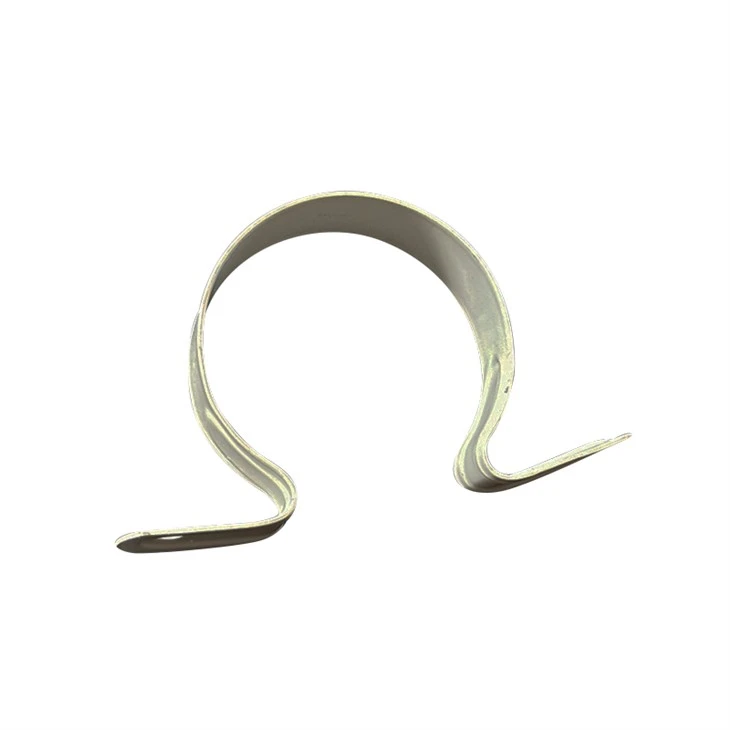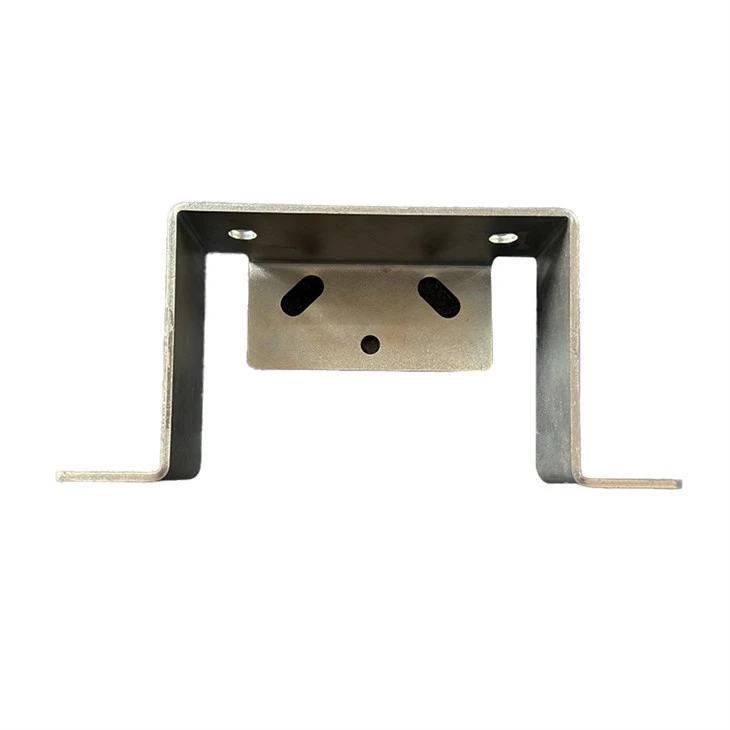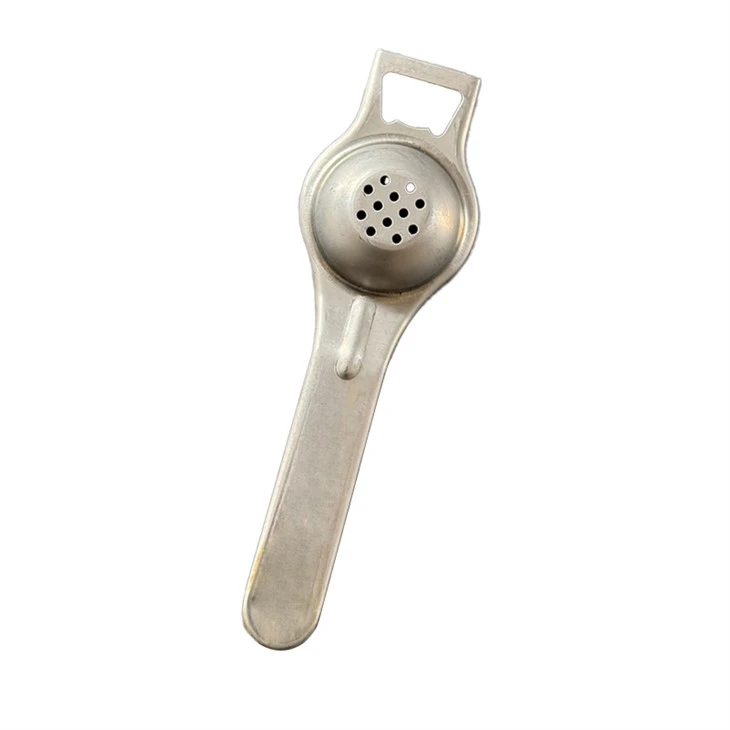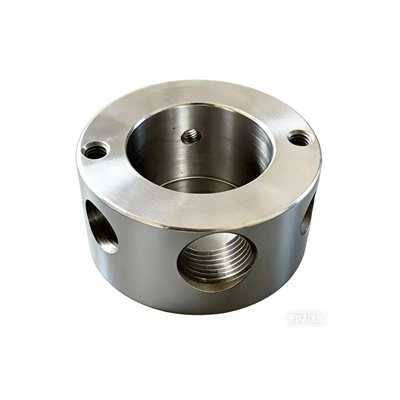

As downstream industries shift their demands for precision parts from the "micrometer level" to the "submicrometer level" and "nanometer level," and from "standardized mass production" to "customized, personalized, and highly complex" production, relying solely on traditional production models can no longer meet market demands. Continuously upgrading production technology has become the only way for Precision CNC Parts manufacturers to break through development bottlenecks, build core competitiveness, and achieve sustainable development.
Precision CNC Parts' production technology upgrade is not a single-stage equipment update or process adjustment, but a systemic transformation covering the entire process of "design, processing, testing, control, and service," representing a comprehensive and coordinated upgrade of technology, equipment, talent, management, and concepts.
With the rapid development of downstream high-end industries such as aerospace, medical devices, and semiconductors, the requirements for precision CNC parts, including accuracy, surface quality, structural complexity, and material compatibility, are constantly increasing. Traditional CNC machining technology has significant limitations in precision control, complex structure machining, and handling of difficult-to-machine materials, and cannot meet these high-end demands. Only through continuous technological upgrades and breakthroughs in core bottlenecks such as machining accuracy, process stability, and material processing can high-quality precision parts that meet the requirements of downstream industries be produced, enabling deep partnerships with high-end customers and capturing a share of the high-end market.
Precision CNC parts production often faces pain points such as long processing cycles, complex processes, high scrap rates, and high costs. Traditional processing methods suffer from low programming efficiency, low equipment automation, excessive manual intervention, and cumbersome inspection processes, leading to low production efficiency. Furthermore, human error easily increases scrap rates, significantly raising production costs. Through technological upgrades, such as the introduction of intelligent programming systems, automated processing equipment, and online inspection technologies, the goals of "reducing manpower, improving quality, increasing efficiency, and reducing costs" can be achieved. In the context of increasingly fierce competition in the global precision manufacturing market, efficiency and cost advantages directly determine a company's market competitiveness, and technological upgrades are the core path to achieving this advantage.

Currently, global manufacturing is transforming towards "green, low-carbon, and sustainable" development. Countries have also introduced a series of policies to promote green manufacturing, placing higher demands on energy conservation, emission reduction, and pollution control in the manufacturing sector. Precision CNC Parts' production process suffers from high energy consumption, wasted cutting fluid, and excessive waste emissions, which contradicts the trend of green manufacturing. Through technological upgrades, including the introduction of energy-saving equipment, environmentally friendly processes, and recycling technologies, energy consumption and pollutant emissions during production can be effectively reduced. Continuous technological upgrades can help companies achieve green production, meet national environmental protection policy requirements, reduce production costs, and achieve sustainable development.
Precision CNC Parts' production is a complete process from "design and development" to "finished product delivery," and the technical level of each stage directly affects the quality and efficiency of the final product. Design and development is the source of Precision CNC Parts' production; the quality of the design directly determines the machining difficulty, precision level, and performance of the parts. The machining process is the core of Precision CNC Parts' production and a key area for technological upgrades. Traditional machining processes suffer from problems such as low equipment precision, low automation, low machining efficiency, poor process stability, and insufficient capacity to handle difficult-to-machine materials, which restrict the quality and output of precision parts.
The inspection process is the "quality checkpoint" in Precision CNC Parts' production; its accuracy and efficiency directly determine the product's pass rate. Traditional inspection relies primarily on manual labor, resulting in low accuracy, low efficiency, and large errors, failing to meet the inspection requirements of micron- and sub-micron-level precision parts. The core of the technological upgrade in the inspection process is to achieve "high-precision, intelligent, full-process, and automated" inspection, constructing a comprehensive inspection system from raw material testing to finished product testing, ensuring that every product meets quality requirements.
With intensifying market competition, service has become a crucial component of Precision CNC Parts' core competitiveness. Traditional service models primarily focus on after-sales repair and product delivery, resulting in limited service offerings, low efficiency, and an inability to meet customers' personalized needs. The core of technological upgrades in the service process is to achieve "personalized, intelligent, and comprehensive" services, building a full-process service system from pre-sales consultation to after-sales support, thereby enhancing customer satisfaction and loyalty.