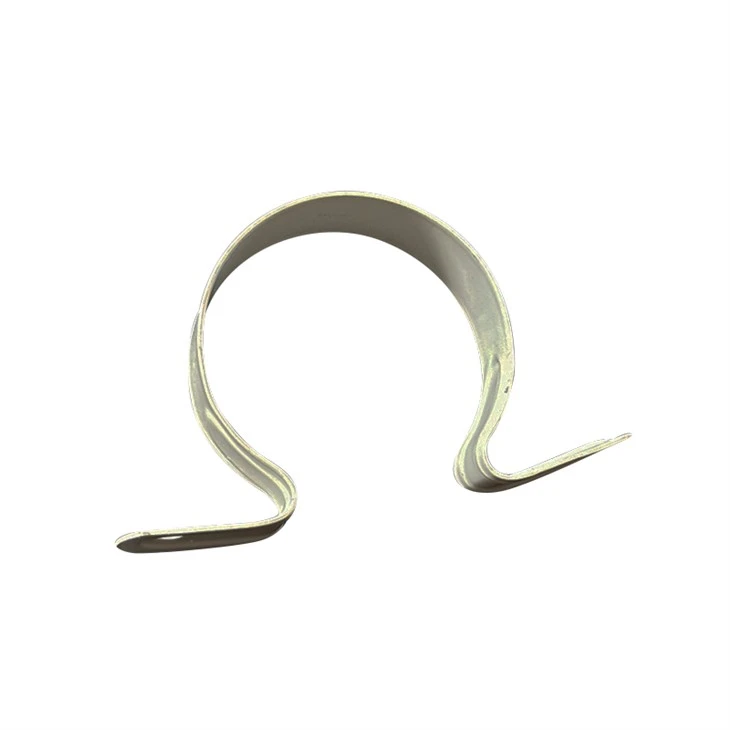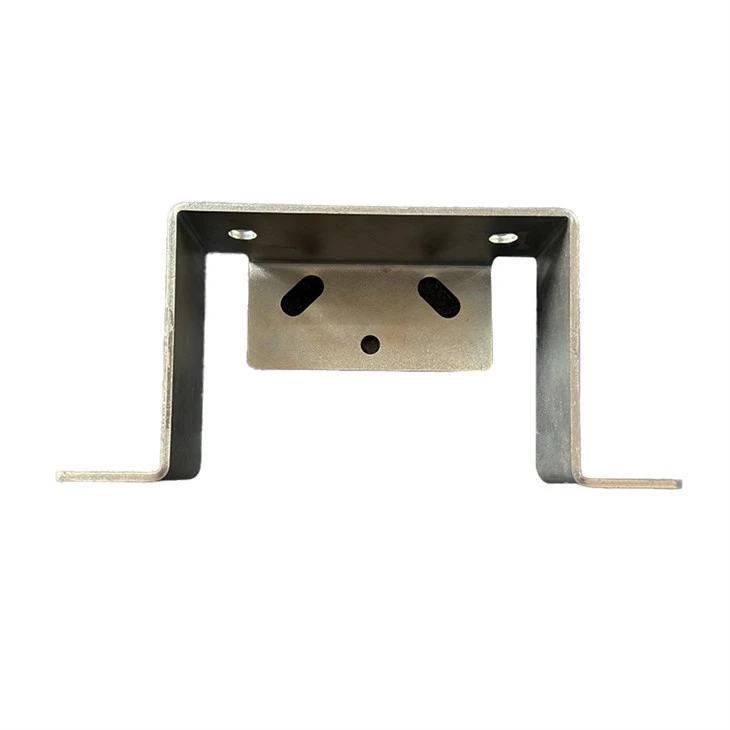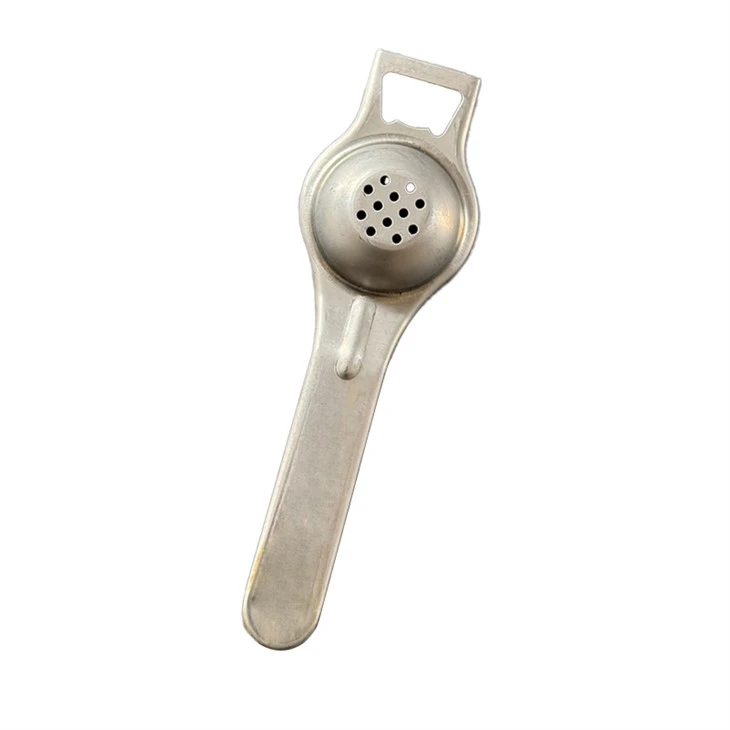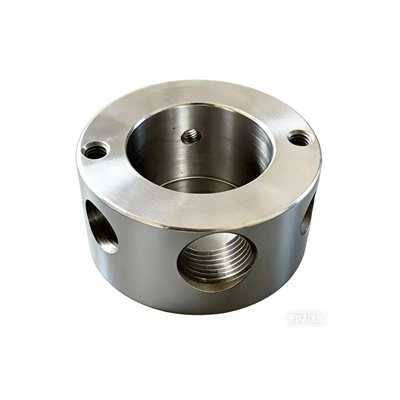

Sheet metal stamping, as a crucial process in metal forming, has become the preferred method for manufacturing housings, supports, and structural components in numerous industries such as automotive, home appliances, electronics, and construction, thanks to its high efficiency, low cost, and mass production capabilities. This process uses a press and dies as basic tools, applying external force to metal sheets to induce plastic deformation or separation, thereby obtaining parts of the desired shape and size, offering advantages in both structural strength and dimensional consistency.
In principle, sheet metal stamping, under normal temperature or appropriate heating conditions, utilizes a press slide to drive the die to close, subjecting the sheet metal to extrusion, stretching, bending, or shearing within the die cavity, thus redistributing and shaping the material. Based on the forming properties, it can be divided into two main categories: separation processes and forming processes. Separation processes include blanking, punching, and trimming, aiming to separate certain areas of the sheet metal from the base material; forming processes encompass bending, deep drawing, flanging, and bulging, allowing the material to obtain the desired contour and three-dimensional shape without breaking. Most products require multiple processes, including annealing, leveling, or surface treatment, to achieve the designed performance and appearance requirements.
The outstanding advantages of sheet metal stamping lie in its production efficiency and material utilization. Compared to machining, it requires less material removal, saving raw materials and shortening the time per piece. Compared to casting and forging, its process flow is shorter, and equipment investment is relatively concentrated, making it suitable for large-scale continuous production. Simultaneously, the stamping process is easily automated; feeding, positioning, stamping, and unloading can be completed by robots or conveyor mechanisms, significantly reducing manual intervention and improving consistency. For thin but large-area parts, stamping can ensure overall rigidity and flatness, reducing subsequent straightening processes.
Material selection has a decisive impact on the sheet metal stamping effect. Commonly used materials include cold-rolled steel sheets, galvanized sheets, stainless steel sheets, aluminum alloy sheets, and copper alloy sheets. The yield strength, elongation, and surface condition of different materials directly affect the forming limit and die life. High-strength steel and aluminum alloys are increasingly used in lightweight applications, but this also places higher demands on die design, blank holder force control, and lubrication schemes. Proper material selection and process matching can reduce the risks of cracking, wrinkling, and springback while ensuring forming quality.
With the advancement of intelligent manufacturing, sheet metal stamping is developing towards high precision, high flexibility, and green manufacturing. Precision stamping, through optimized die structure, improved guiding accuracy, and pressure control, can achieve dimensional tolerances of ±0.01 mm. The application of multi-station progressive dies and compound dies allows complex parts to complete multiple processes in a single feed, significantly shortening the production cycle. Simultaneously, the introduction of energy-saving drive technologies, dry lubrication, and waste recycling systems helps reduce energy consumption and environmental impact.
Overall, sheet metal stamping, with its high efficiency, economy, and stability, has become an indispensable metal forming method in modern industry. The continuous integration of new materials, new processes, and intelligent equipment will further expand its application breadth and depth in high-end manufacturing, providing solid support for product structure optimization and industrial upgrading.