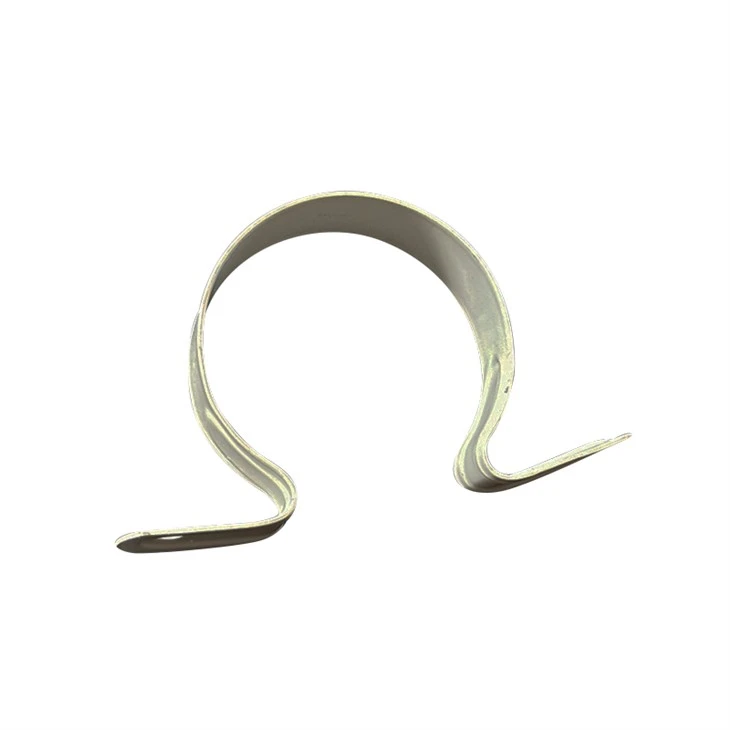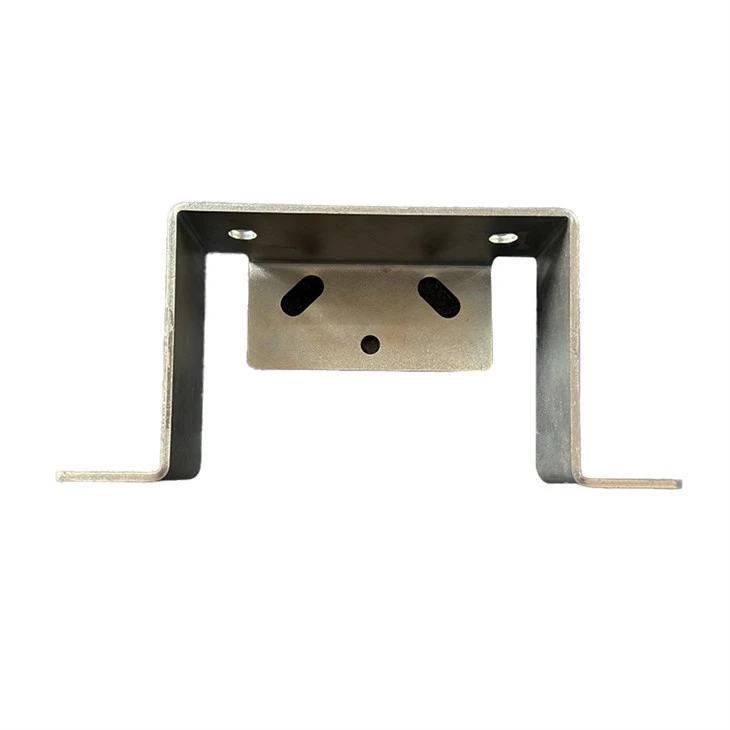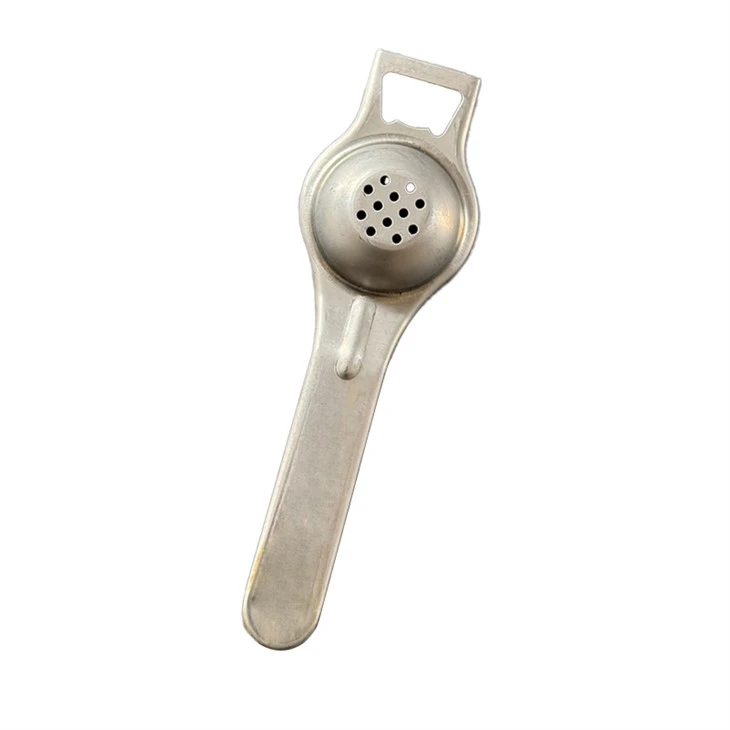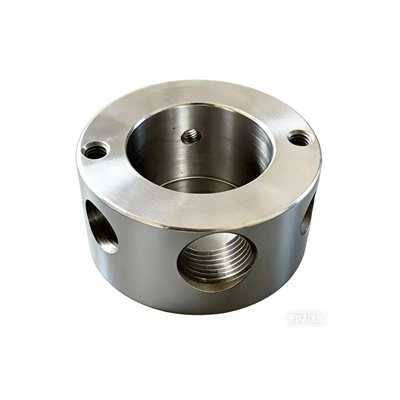

In high-end manufacturing, the forming process of precision CNC machined parts is a crucial step in realizing design intent and performance requirements. This process, centered on digital control, transforms raw materials into parts with micron-level precision and excellent surface quality through multi-process collaboration and precise parameter adjustment. It is widely used in aerospace, precision instruments, medical devices, and other applications with extremely high requirements for dimensional and geometric tolerances.
The first step in the forming process is to rationally determine the machining datum and process sequence. The selection of the datum directly affects the positioning accuracy and repeatability of subsequent machining. Typically, the main assembly surfaces or important hole systems are used as a unified datum to reduce cumulative errors. The process arrangement follows the principle of "roughing before finishing, main before secondary," first removing large allowances to improve efficiency, and then gradually converging dimensional and geometric accuracy through semi-finishing and finishing, avoiding excessive cutting forces and workpiece deformation caused by removing too much material at once.
The application of multi-axis linkage and composite machining technologies significantly improves forming capabilities. Three-axis machining is suitable for general planes and simple curved surfaces. However, when dealing with complex spatial curved surfaces, deep cavity structures, or multi-angle features, four-axis and five-axis simultaneous machining can complete multi-faceted forming in a single setup, reducing repetitive positioning errors and improving machining efficiency. Mill-turn centers can complete turning and milling operations on the same machine, shortening the process flow and reducing the risk of positioning deviations and surface damage caused by workpiece transfer.
Scientific setting of cutting parameters is crucial for ensuring forming quality. Spindle speed, feed rate, and depth of cut need to be comprehensively optimized based on material properties, tool type, and machine tool rigidity. Difficult-to-machine materials such as titanium alloys and high-temperature alloys often use lower cutting speeds and smaller depths of cut, supplemented by high-pressure cooling to control temperature rise and tool wear; easily machined materials such as aluminum alloys can have their parameters appropriately increased to improve efficiency. Tool material and coating selection must also match the workpiece. Carbide, ceramic, and cubic boron nitride tools are suitable for working conditions with different hardness and wear resistance requirements.
The control of thermal and force deformation during the forming process is equally important. The heat generated by high-speed cutting causes differences in thermal expansion between the workpiece and the tool, leading to dimensional drift. By rationally arranging the coolant spray path, selecting machine tool structures with high thermal stability, and implementing intermittent machining and aging treatment, the impact of thermal deformation can be effectively reduced. Furthermore, optimizing the clamping force distribution and machining sequence can reduce deformation caused by internal stress release, ensuring long-term stability of the finished product's geometric accuracy.
Quality inspection and process feedback play a closed-loop guarantee role in the forming process. Online probes and machine vision systems can monitor changes in key dimensions in real time, allowing the CNC system to perform tool compensation or path correction, improving the consistency of batch production. Offline precision measurement verifies geometric tolerances and surface roughness at process nodes, providing a basis for process parameter iteration.
Overall, the forming process of precision CNC machined parts is a systematic engineering project integrating datum planning, multi-axis linkage, parameter optimization, and error control. Its level directly determines the reliability and performance of core components of high-end equipment and is a crucial technological pillar for the manufacturing industry's move towards precision and intelligence.